

Pollinator-Friendly

A pollinator planting works on succession, not on volume. Twenty of one plant that flowers for three weeks is a feast followed by nothing, and nothing is the part that matters — pollinators need forage across the whole season, and the gaps are what limit them.

So the useful version is a handful of species with overlapping bloom windows, running from the first warm weeks of spring through to hard frost. Early and late are the valuable ends. Midsummer takes care of itself in most yards; it is the plant flowering in April and the one still going in October that do the real work.

Variety of flower shape matters too, more than most people expect. A short-tongued bee and a butterfly cannot feed from the same flower, so a planting that is all one shape feeds one group. Flat clusters, tubes and open daisies between them cover most of what is out there.

Two practical notes. Native plants generally support more local insects than introduced ones, because the relationships are older — this is one of the places where the native question has a real answer. And doubled or heavily bred ornamental flowers frequently have little pollen or nectar left in them, which is why a bed of showy cultivars can be busy with color and empty of bees.

And it has to be coordinated with any spray program on the property. There is no point planting forage and then treating it.
Plants with this characteristic

Alternate-leaf butterfly bush is a graceful, arching shrub that brings a soft, fountain-like silhouette to mixed borders. In late spring to early summer it blooms along the previous season’s stems,…
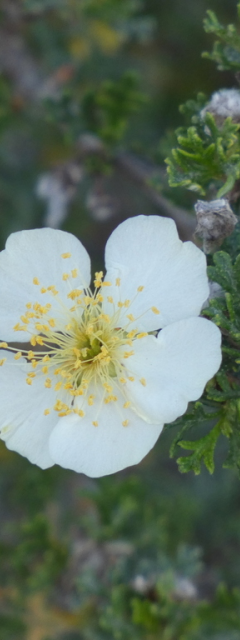
Apache plume is a rugged native shrub with a loose, airy form and fine-textured gray-green foliage. It produces small white flowers in early summer followed by feathery pink seed plumes that persist…
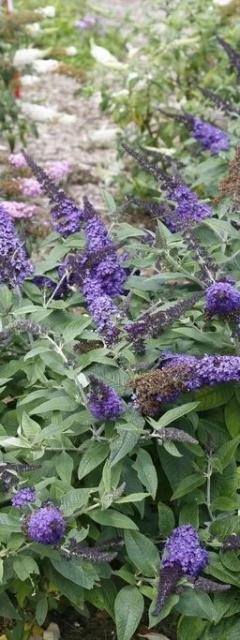
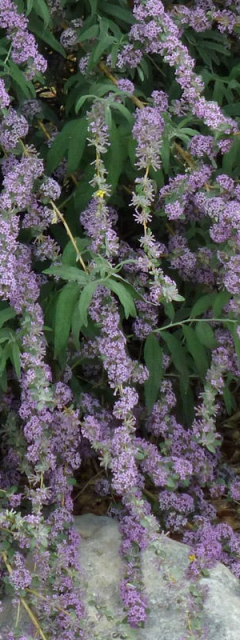
Butterfly bush is a fast-growing flowering shrub known for its long, colorful flower spikes that bloom through summer and attract butterflies, bees, and hummingbirds. It brings strong seasonal color…
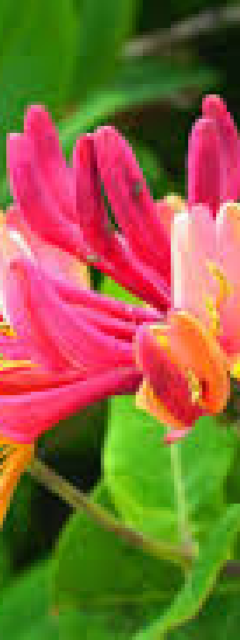
Climbing honeysuckle is a twining vine valued for its fragrant tubular flowers and long bloom period. It provides seasonal color and pollinator value, attracting hummingbirds and bees. Its moderate…
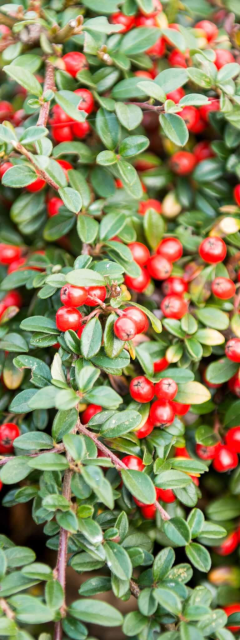
Cotoneaster is a versatile shrub group used for groundcover, hedging, and mass plantings thanks to its adaptability and four-season interest. Many forms produce small spring flowers followed by…
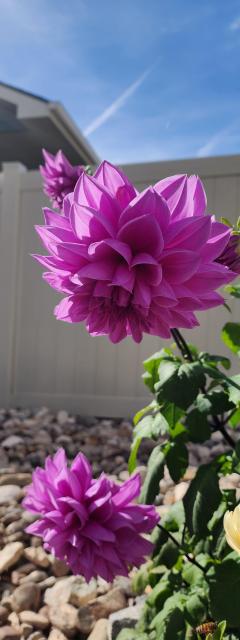
Few flowers carry a Western Colorado garden into fall the way dahlias do. They open in midsummer and keep coming — bigger and more abundant as the nights cool — right up to the first hard freeze. The…
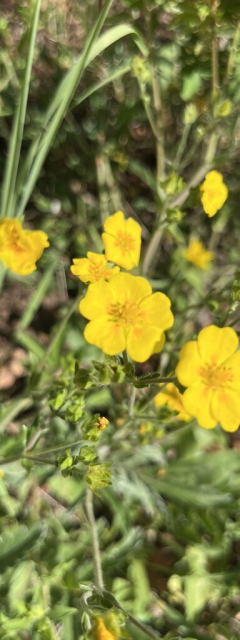
Shrubby cinquefoil is a compact, long-blooming shrub valued for its reliability and extended flowering season. From late spring through summer, it produces small five-petaled flowers in shades of…
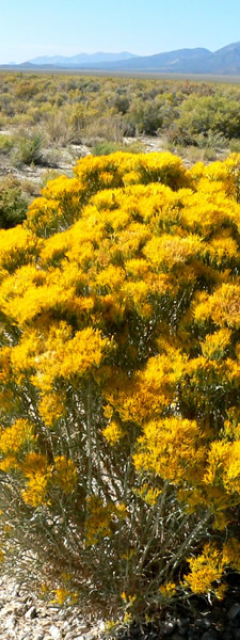
Rabbitbush is a hardy native shrub known for its silvery foliage and bright yellow late-summer flowers that add color when many plants are fading. It has a loose, upright habit and works well in…
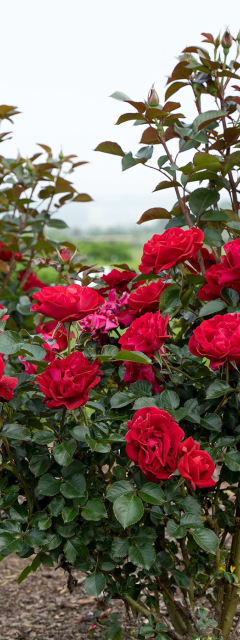
Roses are woody perennial flowering shrubs widely used in ornamental landscapes for their showy blooms, fragrance, and seasonal structure. Depending on cultivar and class, roses may form compact…
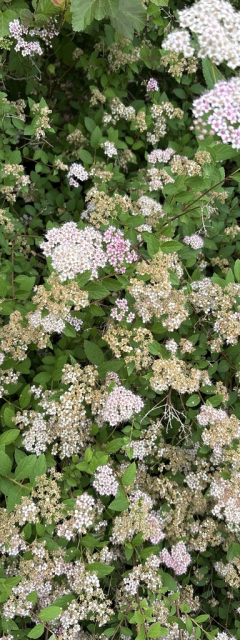
Spirea is a dependable landscape shrub valued for its compact form, reliable bloom, and adaptability. Depending on type, it may produce soft white spring flowers or pink summer flower clusters that…
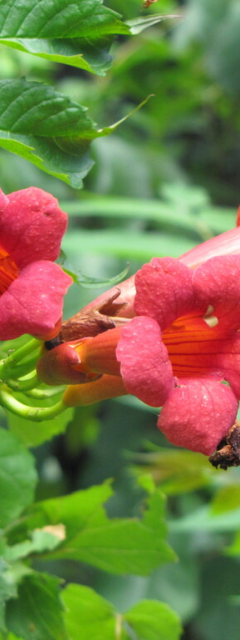
Trumpet vine is a vigorous flowering vine known for its bright orange to red trumpet-shaped flowers that attract hummingbirds throughout summer. It grows rapidly and creates dense coverage on fences,…
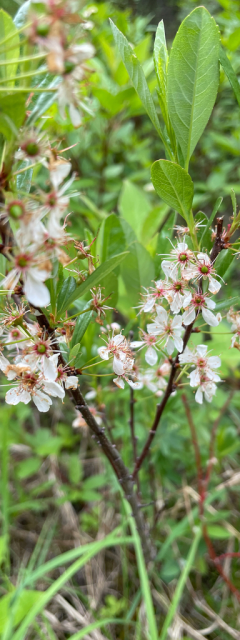
Western sand cherry is a hardy, native shrub well suited to xeric and naturalized landscapes. It produces fragrant white spring flowers followed by small edible fruits that attract wildlife. Its low,…
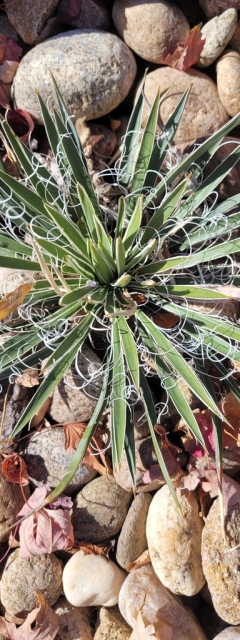
Yucca is a bold, architectural shrub known for its rigid, sword-like leaves and tall flower spikes that appear in late spring to summer. It brings strong structure and drought tolerance to xeric and…