

A vine has no self-supporting structure. Everything about using one comes down to what it holds onto and how, and there are four ways it does that.
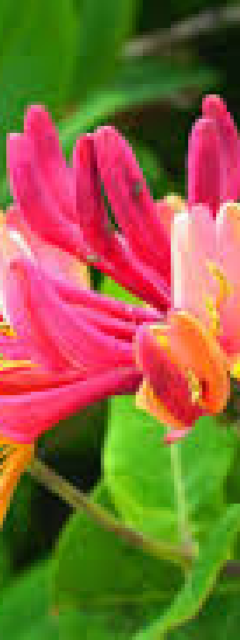
- Twiners wrap their whole stem around something. They need a post, a wire or a slim upright — they cannot wrap a flat wall or a wide beam.
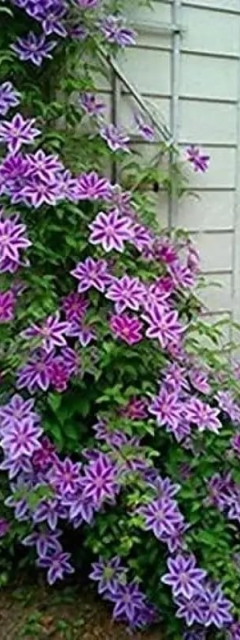
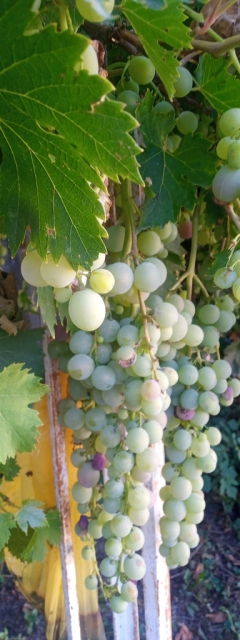
- Tendril climbers grip with thin coiling shoots and need something slender to catch: wire, netting, thin lattice. A tendril cannot grab a four-by-four.
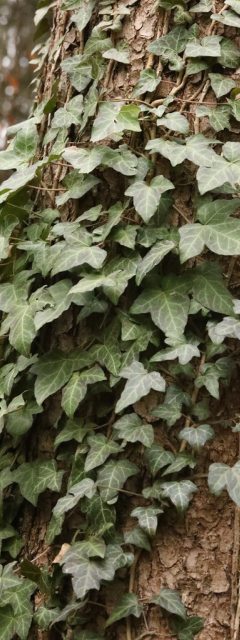
- Clingers attach directly to a flat surface with aerial roots or adhesive pads. They need no structure at all, which is the appeal and the problem.
- Scramblers do not climb. They lean, and they have to be tied in — climbing roses are the familiar example.
Match the vine to the support before planting, not after. A twiner on a flat wall will never get hold of it, and a tendril climber on a heavy pergola post does the same nothing.
Two cautions. A mature vine is heavy, and wet snow on one makes it far heavier — a trellis screwed to siding with two anchors comes off the wall. And clingers should not go on wood siding, stucco or mortar that would ever need repointing; on sound masonry or a standoff frame they are fine, and anywhere else they are a repair bill.