
Shade-tolerant means a plant does not need much direct sun — usually under four hours, sometimes almost none. What it does not mean is that the plant needs nothing. Shade plants still want water, and in a dry climate they frequently want more of it than they would elsewhere, because the air is pulling moisture out of them whether the sun is on them or not.
Not all shade is the same, and the distinction matters more than the label does.
Open or high shade — under a tall canopy, or on the north side of a building with sky above — is bright, and plenty of plants do well in it. Shade in clear, dry air at this elevation is noticeably brighter than shade at sea level, and a plant rated for part shade in a humid climate often handles more here than the tag suggests.
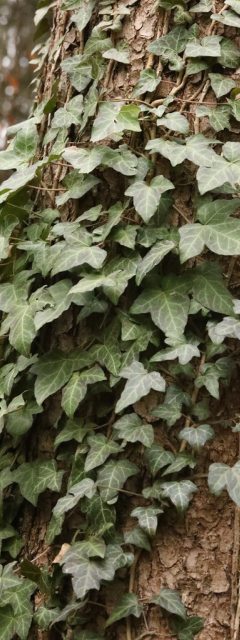
Dry shade under a mature tree is a different proposition entirely, and it is the hardest planting site in a typical yard. A plant there is short of light, and it is also competing with an established root system that got to the water first and takes most of it. Most failures blamed on shade are really that competition. The answer is tough material, generous planting holes worked between the surface roots, and its own water — not a shade plant dropped into the root mat and left to fight for it.
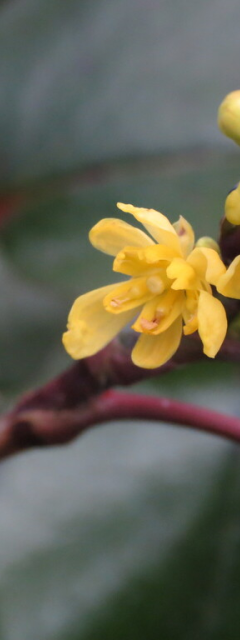
North-side shade against a building is the third kind: shaded, and also cold and late to warm in spring. Plants there break dormancy later, which is often a genuine advantage with anything that flowers early and would otherwise get frosted.