

Fruit-Bearing

Fruit on a landscape plant is a different proposition from fruit on a fruit tree. Nobody is picking it, most of it is small or sour or strictly for the birds, and its whole value is what it does to the look of a planting and who it brings into the yard.

Done well it is one of the better tools available here. A crabapple holding red fruit through December, serviceberry in June, rose hips after the flowers are gone, currants, viburnum, sumac — these carry a planting through the months when there is nothing else to look at. In a climate with a four-month growing season and a five-month winter, fruit is one of very few things that works in the off months. It is also the most direct way to bring birds in, which is usually the point of a bird planting rather than the feeder.

The distinction that decides everything is whether the fruit holds or drops. Persistent fruit stays on the branch through winter, dries in place, and either feeds birds or simply looks good against snow. Dropping fruit hits the ground, ferments, stains, draws wasps, and turns a walk slick for a few weeks every fall. Two plants can be described identically on a tag and behave completely differently on this one point, and it is worth asking before anything goes in.

Which leads to the only hard rule on this page. Never plant anything that drops fruit over a patio, a walk, a drive, a parking area or anywhere people sit. The same crabapple that is a good decision in a border twenty feet away is a bad one over a seating area, and the difference shows up for a few weeks every autumn for the entire life of the tree. Check what is underneath before you check anything else.

One more thing worth knowing. A fruiting plant that birds like is a plant birds distribute, and a few of them have escaped into the drainages and fence lines around here that way. Anything introduced and heavily fruiting gets checked against the Colorado noxious weed list before it goes on a plan — a plant that thrives in this climate and spreads on its own is not an ornamental, it is somebody's future removal job.

If what you are actually after is fruit you intend to eat, that is a different set of questions entirely — bloom timing, pollination partners, rootstock, and a pruning and spray calendar. Fruit trees covers that side of it.
Plants with this characteristic

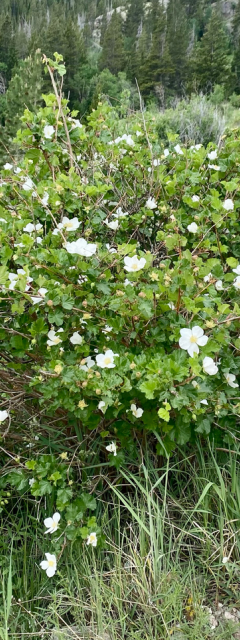
Boulder raspberry is a native shrub valued for its large white spring flowers and edible fruit. Its arching growth habit and textured foliage give it a natural, slightly informal appearance suited to…
Cherry trees are valued for their spring blossoms and productive fruit, making them a staple of backyard orchards and ornamental landscapes. In spring, trees produce abundant white or pale pink…
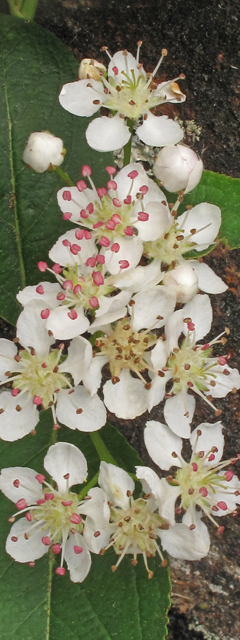
Chokeberry is a versatile deciduous shrub known for its spring flowers, glossy foliage, and colorful fall display. In spring, clusters of white flowers appear, followed by small berries that persist…
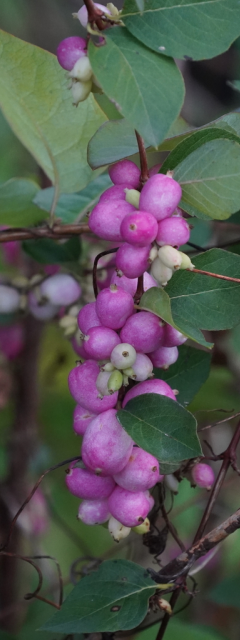
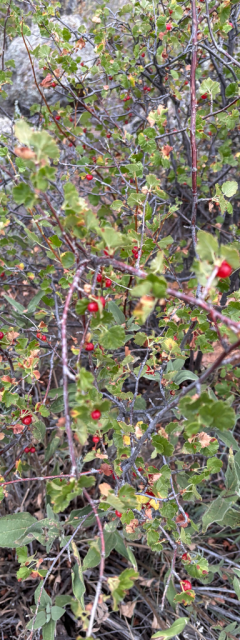
Coralberry and snowberry are native shrubs valued for their soft texture and persistent berries that provide fall and winter interest. Their arching stems and small green leaves create a relaxed,…
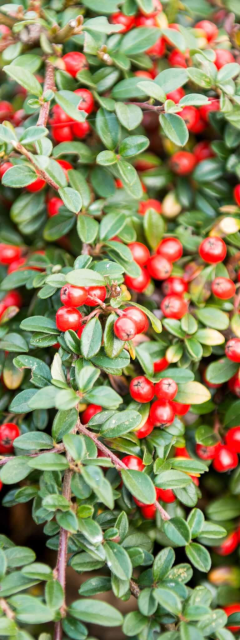
Cotoneaster is a versatile shrub group used for groundcover, hedging, and mass plantings thanks to its adaptability and four-season interest. Many forms produce small spring flowers followed by…
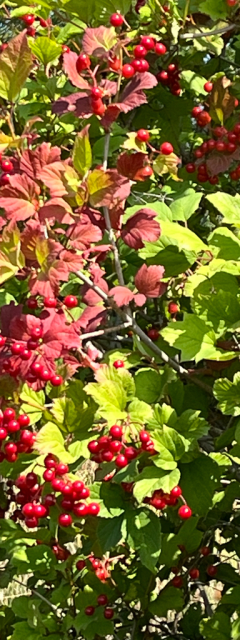
Cranberrybush viburnum is a large shrub known for its showy white spring flowers, red berries, and strong fall color. It forms a broad, upright shrub that works well as a screen, specimen, or…
Currants and gooseberries are compact, multi-stem fruiting shrubs valued for both edible production and ornamental landscape use. In spring they produce small, delicate flowers followed by clusters…
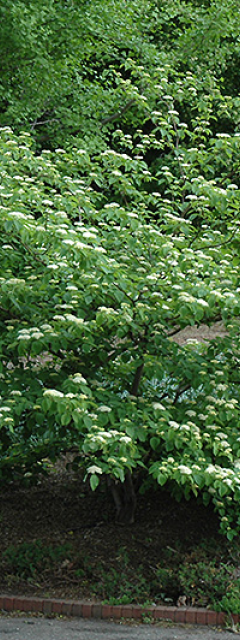
Dogwood shrubs are widely valued for their multi-season interest and adaptability in residential landscapes. Many types offer attractive spring flowers, rich green summer foliage, and strong fall…
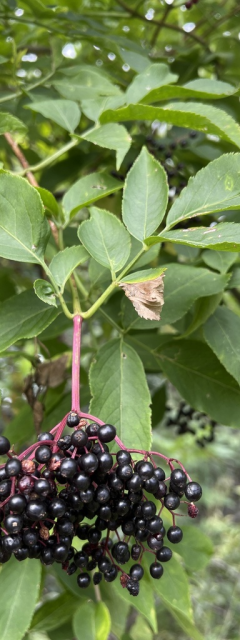
Elderberry is a multi-stem shrub valued for its large clusters of white spring flowers and dark berries that follow later in the season. It provides strong wildlife value and works well in…
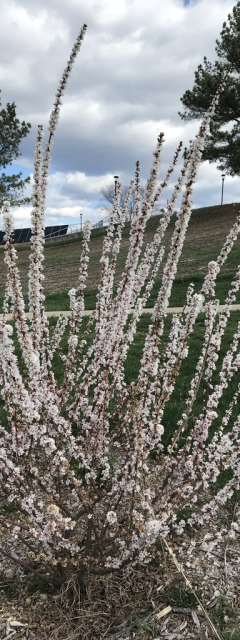
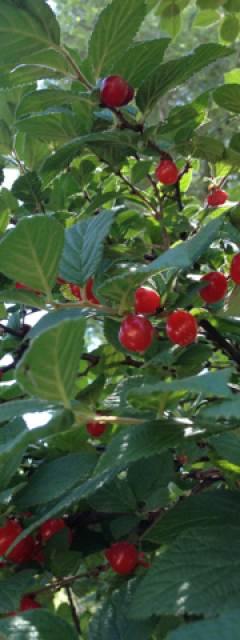
Nanking cherry is a hardy, multi-stem shrub valued for its early white spring blossoms and small edible cherries. It forms a dense, rounded shrub that works well in edible landscapes, informal hedges…
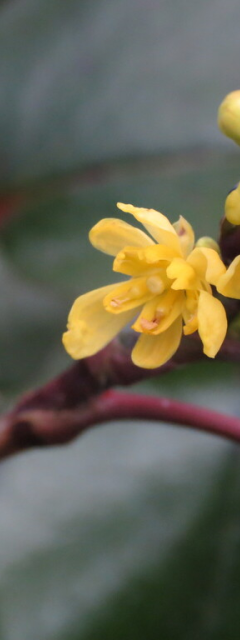
Oregon grape holly is a broadleaf evergreen shrub valued for its glossy, holly-like leaves, bright yellow spring flowers, and blue ornamental berries. It provides strong year-round texture and works…
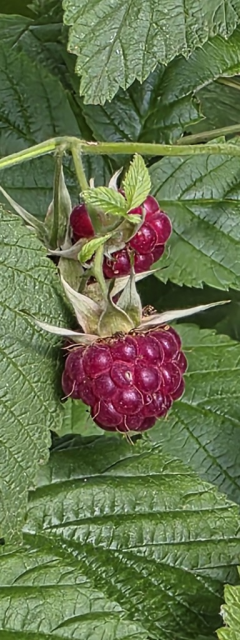
Raspberries are productive, cane-forming shrubs widely grown for their sweet fruit and suitability in home orchard and edible landscape settings. They produce upright to arching canes that leaf out…
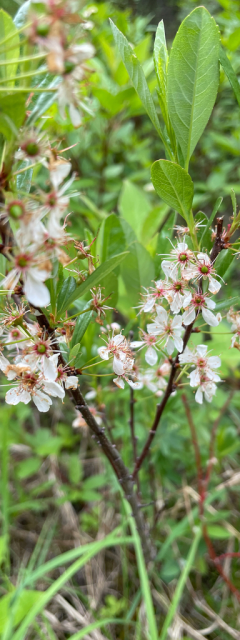
Western sand cherry is a hardy, native shrub well suited to xeric and naturalized landscapes. It produces fragrant white spring flowers followed by small edible fruits that attract wildlife. Its low,…